May 01, 2019
0

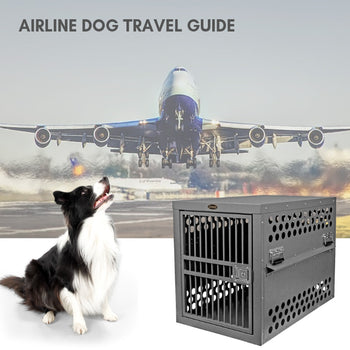
Every dog needs a place of its own inside the home. For some dogs that is a crate beside the couch. For others it is a walk-in run in the garage, a converted laundry room, or a multi-dog kennel room built for a busy household of working dogs. The right indoor dog kennel keeps your dog safe when you cannot supervise, protects your home from chewing and accidents, and gives your dog a calm, predictable space to rest.
The catch is that a kennel is only as good as the room it sits in. A heavy-duty kennel in a garage that hits 95 degrees in July is not a safe setup. A beautiful crate in a drafty basement corner with no light is not one your dog will want to use. This guide walks through eight indoor kennel setup ideas for different homes and dogs, then covers the details that separate a good setup from a problem: how much space your dog actually needs, which floors hold up, and the temperature and ventilation standards professional facilities use as their baseline.

The words get used interchangeably, but they describe three different things, and the difference matters when you plan a space.
A crate is a den-sized enclosure, just large enough for your dog to stand, turn around, and lie down comfortably. Crates work well for sleeping, house training, travel, and short periods of confinement. An indoor kennel is a larger walk-in enclosure, usually built from welded wire or chain link panels, with enough floor space for your dog to move around, stretch out, and separate its bed from its water bowl. A run is a kennel with extra length, often connected to an outdoor space through a wall.
Most homes need more than one of these over a dog's lifetime. A puppy might start in a crate in the bedroom, graduate to a kennel in the mudroom, and eventually spend daytime hours in an indoor and outdoor run. Planning with that progression in mind keeps you from buying the same thing twice.
The most useful sizing benchmark comes from the USDA Animal Welfare Regulations, which set minimum enclosure sizes for licensed breeders, research facilities, and other regulated operations. These rules do not govern pet owners, but they give you a defensible, numbers-based starting point instead of a guess.
Under 9 CFR 3.6, the minimum floor space for a dog is calculated by measuring the dog from the tip of its nose to the base of its tail, adding 6 inches, squaring that number, and dividing by 144 to convert to square feet. The enclosure must also be at least 6 inches taller than the head of the tallest dog inside it. Here is how that works for a typical Labrador Retriever:
Measure nose to base of tail. A typical adult Lab measures about 36 inches.
Add 6 inches. 36 plus 6 equals 42.
Square it. 42 times 42 equals 1,764 square inches.
Divide by 144. 1,764 divided by 144 equals 12.25 square feet.

That 12.25 square feet is a regulatory minimum, not a comfortable living space. A more telling number is a related rule in 9 CFR 3.8, which requires regulated facilities to provide a separate exercise plan for dogs housed in enclosures smaller than twice that minimum. For our Lab, twice the minimum is about 24.5 square feet, which lines up almost exactly with a 4 by 6 foot or 5 by 5 foot kennel. If your dog will spend real time in the kennel, treat double the formula as your floor, and go larger if you have the room. When dogs share a kennel, the total floor space should equal the sum of each dog's individual requirement.
For crates, the guidance is different. A crate should be big enough for standing, turning, and lying in a natural position, but not so large that a puppy uses one end as a bathroom. Premium aluminum crates make this easier with a wide size range. Zinger aluminum crates, for example, run from the 3000 size at 21 by 24 by 30 inches up to the 6000 size at 28 by 36 by 44 inches. Our guide to choosing the right home dog crate for your breed covers crate sizing in more depth.
Each of these setups solves a different problem. Pick the one that matches your home, your dog's size and temperament, and how many hours a day the space will be used.
For a single dog that spends most of its time with the family, the best kennel is often a premium crate placed right in the main living space. Dogs are social animals, and a crate in the room where people spend their evenings feels like part of the household rather than a place of exile. Choose a spot along an interior wall, away from heating vents, drafty doors, and direct afternoon sun, and leave enough clearance for airflow on at least three sides.
This is where build quality shows. A heavy-duty aluminum crate like the Zinger Deluxe Aluminum Dog Crate looks clean in a finished room, will not rust or flake, and stands up to dogs that chew or test the door. For strong or escape-prone dogs, the Dakota 283 Hero Kennel was designed with working dogs in mind.
Mudrooms and laundry rooms are natural kennel locations. They usually sit next to an exterior door, have washable floors, and already handle mess. A compact kennel or large crate in one corner gives your dog a place to dry off after walks and rest during the day while keeping wet paws and shedding coats out of the rest of the house.
This setup pairs especially well with a home grooming area. If you are planning a tub or bathing station, our guide to setting up a home dog grooming station shows how to lay out both in the same room so washing, drying, and kenneling happen in one place.
The space under a staircase is popular on social media for good reason. It turns dead space into a cozy, enclosed den, and many dogs like the sheltered feeling. It works best for small and medium dogs, because the sloped ceiling limits usable height quickly. Measure the height at the lowest point where your dog will stand, and remember the 6 inch clearance above the head. Add a ventilated gate or mesh panel rather than a solid door, since enclosed closets trap heat and stale air.
Garages are the most common location for a full-size kennel, especially for large breeds, working dogs, and multi-dog homes. They offer floor space, a hard surface, and easy access to the yard. They also carry the most risk, so plan carefully.

Temperature is the first concern. Uninsulated garages can swing well outside a safe range in both summer and winter, so you will likely need insulation, a heat source, and a fan or mini-split. Fumes are the second. Never run a vehicle or gas-powered equipment in a garage with a dog inside, and store antifreeze, fertilizer, pesticides, and other chemicals well out of reach, since antifreeze in particular is attractive to dogs and highly toxic. Position the kennel away from the vehicle bay and the garage door, so the dog is not exposed to drafts and the noise of the opener.
For the kennel itself, a modular panel system such as TK Products modular kennels gives you a permanent, professional-grade enclosure that you can expand later. A freestanding unit like the TK Products Enclosed Multi-Dog Kennel stands on its own in the middle of a garage floor, and adjustable leg inserts with floor anchors keep it level and stable on sloped garage concrete.
Basements stay naturally cooler in summer and more stable in winter than garages, which makes them a good kennel location in hot climates. The tradeoffs are humidity and light. Run a dehumidifier to keep moisture down, since damp air encourages mold, odor, and skin problems. Make sure the space has windows or good artificial lighting on a regular day and night schedule. A basement kennel should never feel like a storage room your dog has been put away in. Plan to spend time there with your dog, not just leave the dog there.
If you want your dog to choose between indoor shelter and outdoor space during the day, an indoor-outdoor run is the gold standard. The most common design places a backless kennel against an exterior wall, with a pet door or guillotine door cut through the wall leading to an outdoor run on the other side.
The TK Products Pro-Series Backless Multi-Dog Kennel is designed for exactly this setup, using the building wall as the back of the enclosure. A guillotine door slides vertically in a track and can be raised or lowered by cable from outside the run, and insulated guillotine kennel doors help keep the indoor side warm in winter. If you prefer a standard flap-style opening, our guide on how to choose a dog door explains sizing, insulation, and security options. For the outdoor half, see our step-by-step guide to building a backyard dog run.

Households with several dogs, including breeders, trainers, sporting dog owners, and rescue foster homes, often dedicate a full room to kenneling. A row of connected runs lets each dog have its own space for eating and resting while sharing walls to save room. TK Products multi-dog kennels are offered in configurations from 2 to 6 runs, with run sizes from 3 by 4 feet up to 10 by 10 feet, and larger configurations are available by quote.
Visual barriers make a real difference in a multi-dog room. Some dogs eat faster, guard food, or react to a neighbor staring at them through the wire. TK Products kennel isolation panels are solid HDPE dividers that attach to the lower section of shared walls, reducing fence fighting and stress at feeding time. They can also be cut to size to fit many other kennel brands.

After surgery, an injury, or a new litter, you need a smaller, easy-to-clean enclosure where activity can be controlled. A single run with a smooth, washable floor works well for post-surgical rest because it keeps the dog contained without the tight quarters of a crate. For dogs that jump or climb, adding a kennel roof panel closes the top of the enclosure. Always follow your veterinarian's specific instructions on confinement and activity levels during recovery.
Flooring decides whether your indoor kennel stays clean and odor-free or becomes a constant chore. The USDA standard for regulated indoor facilities is a useful guide here: floors, walls, and any surfaces in contact with animals must be impervious to moisture. In plain terms, urine and water should not be able to soak in.
Sealed or epoxy-coated concrete is the most durable choice for garages and basements, and it cleans easily with a hose or mop. Heavy rubber stall mats placed over concrete add cushioning for joints and traction for older dogs, and they lift out for washing. Sheet vinyl or sealed tile works well in mudrooms and laundry rooms. Avoid carpet, unsealed wood, and laminate inside a kennel, since they absorb urine and trap odor no matter how often you clean.
If you are building from scratch, slope the floor slightly toward a floor drain so you can rinse the space completely. For daily cleaning, pick up waste promptly and use an enzyme-based cleaner on urine, since enzymes break down the compounds that cause lingering odor and that can encourage a dog to mark the same spot again.
The single most important safety factor in any indoor kennel is temperature, and it is the one owners overlook most often, especially in garages. Federal standards for regulated indoor facilities offer a clear baseline. Under 9 CFR 3.2, the ambient temperature should not fall below 45 degrees Fahrenheit or rise above 85 degrees Fahrenheit for more than four consecutive hours when dogs are present. Dry bedding or other ways to conserve body heat are required below 50 degrees, and auxiliary ventilation such as fans or air conditioning is required at 85 degrees or higher.
Those are minimums for regulated facilities, not targets. Short-coated breeds, seniors, puppies, and flat-faced breeds such as Bulldogs and Pugs have a much narrower comfort range. A simple digital thermometer with a high and low memory, or a smart sensor that alerts your phone, takes the guesswork out of a garage or basement setup.
Ventilation matters just as much. The same regulation requires ventilation that minimizes odors, drafts, ammonia, and moisture condensation. Ammonia from urine builds up quickly in a closed room and irritates a dog's eyes and airways. Provide steady fresh air without blowing directly on the kennel, and give your dog regular natural or artificial light on a consistent schedule.
The best indoor setup in the world will not work if your dog associates it with isolation or punishment. Introduce the kennel gradually. Feed meals inside, toss treats in, and leave the door open at first so your dog can come and go. Build up the time with the door closed in small steps, and never use the kennel as punishment.
Furnish the space with a durable raised bed or chew-resistant pad, a water bowl that clips to the panel so it cannot be tipped, and a safe chew or puzzle toy. Position the kennel so your dog can see or hear household activity, which reduces anxiety. Finally, remember that no kennel replaces exercise and attention. A dog that is restless in its kennel may simply need more activity, and our article on the signs your dog needs more exercise can help you tell the difference.
These are the problems that come up most often when owners describe a kennel setup that is not working:
Sizing by guesswork. Use the measurement formula above and plan for your dog's adult size, not its current size.
Ignoring garage temperatures. A garage that feels fine in the morning can become dangerous by afternoon. Monitor it.
Absorbent flooring. Carpet and unsealed wood hold urine and odor permanently.
Poor ventilation. Closets and enclosed nooks trap heat and ammonia quickly.
Isolated placement. A kennel far from the family increases barking, anxiety, and destructive behavior.
Lightweight panels for strong dogs. Thin wire and flimsy latches invite escape attempts and injuries.
No visual barriers between dogs. Shared walls without dividers can create stress and fence fighting.
Start with the USDA formula: measure your dog from nose to base of tail, add 6 inches, square the result, and divide by 144 to get square feet. For a dog that will spend extended time in the kennel, plan for at least double that number. For a typical Labrador, that means about 24 square feet, roughly a 4 by 6 or 5 by 5 foot kennel.
It can be, if you control temperature, ventilation, and fumes. Insulate the space, add heating and cooling as needed, monitor the temperature, keep vehicles and gas equipment off while your dog is inside, and store chemicals out of reach. A garage without climate control is not a safe full-time kennel in most climates.
Sealed or epoxy-coated concrete is the most durable and easiest to clean, especially with rubber stall mats on top for comfort and traction. Sealed tile and sheet vinyl work well in finished rooms. Avoid carpet, unsealed wood, and laminate.
Yes, as long as it fits the space and you protect the floor. Professional modular systems like TK Products kennels are designed for both indoor and outdoor use, and adjustable leg inserts help level them on uneven floors.
A crate is a den-sized enclosure for sleeping, training, and travel, sized so your dog can stand, turn, and lie down. An indoor kennel is a larger walk-in enclosure with room to move around, intended for longer periods of use.
Use a moisture-proof floor, remove waste promptly, clean urine with an enzyme-based cleaner, wash bedding weekly, and keep fresh air moving through the room. Persistent odor usually means urine is soaking into a surface that is not sealed.
For large, strong, or multiple dogs, anchoring adds stability and prevents a kennel from shifting when dogs jump against the panels. Floor anchors and adjustable leg inserts are designed for this and also help level the kennel on sloped garage floors.
It depends on the dog's age, health, and the size of the space. Puppies need frequent bathroom breaks, and even adult dogs in a roomy kennel need daily exercise, attention, and time outside of it. A kennel is a safe home base, not a substitute for activity. Ask your veterinarian for guidance specific to your dog.
The right indoor dog kennel setup starts with the room, not the product. Choose a location with stable temperatures and good ventilation, size the space using real measurements, put down a floor you can clean, and furnish it so your dog feels at home there. Get those fundamentals right and the kennel becomes a calm, safe place your dog returns to on its own.
AdeoPets carries professional-grade TK Products kennels, Zinger aluminum crates, Dakota 283 kennels, and Security Boss guillotine doors for every setup in this guide. You can browse our crates for home collection, or talk with our US-based team before you buy. We will help you measure your space, choose a run size and configuration, and confirm fit before your order ships. Call 888-979-5566, start a live chat on our site, or reach us through our contact page. Every order is backed by our Price Match Guarantee and more than 600 verified customer reviews.