May 01, 2019
0

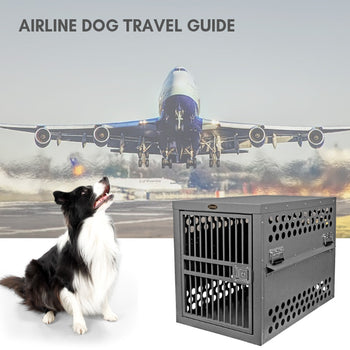
Anyone who hauls a dog in the bed of a truck has probably heard the same advice: just clip a leash to the bed rail, or toss in a wire crate from the garage, and call it good. It is convenient advice. It is also the kind of advice that gets dogs killed.
The National Highway Traffic Safety Administration has documented tens of thousands of dogs injured or killed every year from falls, ejections, and collisions during truck bed travel. A dog riding loose in an open bed is one hard brake away from being thrown into traffic. A dog tethered to the bed rail can be strangled or dragged if it goes over the side. And a standard wire crate, the kind built for a living room floor, was never engineered to survive a rollover, a sudden stop, or a summer afternoon on hot aluminum.
A properly built dog box changes all of that. It gives a working dog, a hunting companion, or a family pet a stable, ventilated, weatherproof space that is bolted down and built to take the abuse of real truck bed travel. This guide walks through what actually matters when choosing a dog box for a truck bed in 2026, the tradeoffs between materials and configurations, and which options are worth the investment.

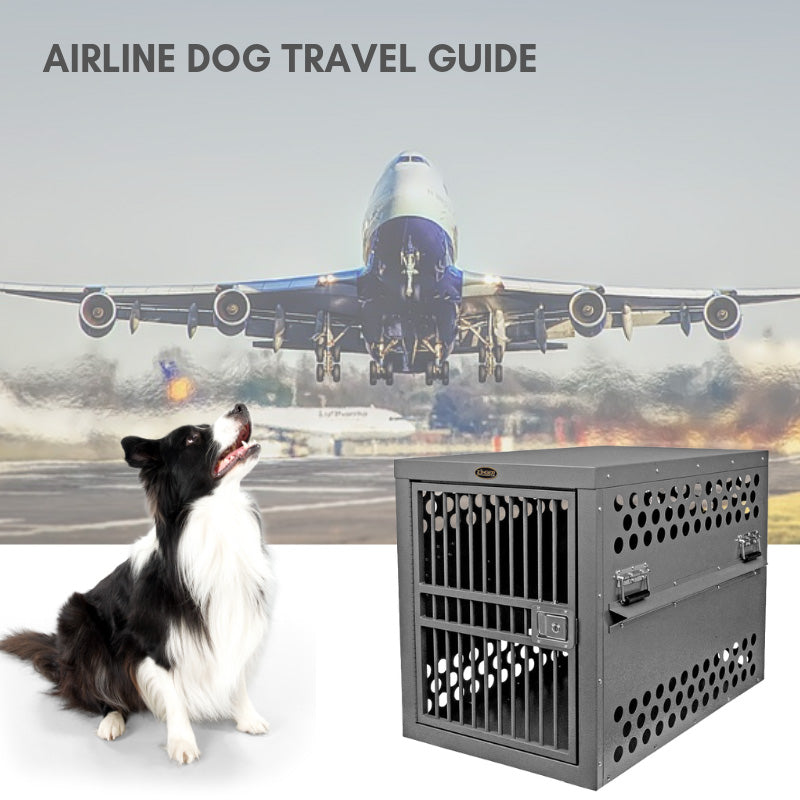
Wire and plastic airline crates are designed to contain a dog indoors or in the cabin of a vehicle, not to survive being strapped into an open truck bed at highway speed. Most consumer crates are held together with plastic rivets or thin wire mesh that flexes under pressure. In a hard stop or a pothole impact, that flex is exactly what allows a door to pop open or a panel to separate.
There is also the weather problem. A truck bed offers zero shade and very little airflow protection. A dark plastic crate sitting on aluminum in July can turn into an oven within minutes, and a wire crate offers no barrier at all against wind chill, road spray, or driving rain in the winter. Neither style is built with the drainage, insulation, or shielded ventilation that a dog needs to stay safe for a multi-hour drive to the trailhead, the job site, or the hunting lease.
None of this means a dog cannot travel safely in a truck bed. It means the crate has to be purpose-built for that environment: rigid construction, real ventilation with weather covers, secure locking hardware, and a mounting system that keeps the box from sliding or bouncing loose. That is the entire category of product this guide is about, and it is why serious hunters, groomers transporting dogs between appointments, and kennel operators moving multiple animals almost never use a household crate in an open bed.
Before comparing specific products, it helps to know which features actually separate a durable dog box from one that will fail when it matters. A few characteristics show up consistently across every well-built option on the market.
Construction material is the first thing to check. Diamond-tread aluminum resists corrosion, does not rust, and holds up to years of exposure to road salt, rain, and UV without degrading. High-density polyethylene, or HDPE, is the other proven option. It is the same category of material used in commercial cutting boards, and a welded HDPE box has no seams for water or bacteria to collect in. Both materials outperform painted steel or thin plastic, which will rust, crack, or become brittle within a season or two of daily use.
Ventilation needs to work in both directions. Look for sliding vent covers that can be opened wide for airflow in summer and closed down to block wind and rain in winter. The best boxes place vents on multiple sides, sometimes with a center divider that allows cross ventilation between compartments, so a dog is never trapped in a stagnant pocket of hot air on one side of the truck bed while air flows freely past the other.
Latching hardware matters more than most buyers expect. A dog box needs a lockable slam latch or a multi-function twist, fold, and lock mechanism that a dog cannot accidentally trigger from the inside and that will not rattle loose over hundreds of miles of washboard road. Spring-loaded handles and D-rings built into the frame make it possible to strap the box down securely with ratchet straps or a direct bolt-through mount, which matters because an unsecured box is nearly as dangerous as no box at all.
Finally, think about interior lining. A bare aluminum or plastic interior can scuff a dog's coat, trap moisture, and get slippery when wet. Boxes with a corrugated plastic liner or a grated floor for traction solve both problems, keeping a dog's coat cleaner and giving it solid footing during braking and cornering.
The two dominant materials on the market today are diamond-tread aluminum and welded HDPE plastic, and the right choice depends more on climate and use case than on price alone.
Aluminum dog boxes, like the Owens Hunter and Owens PRO Hunter lines, are built from rugged .063-gauge diamond-tread aluminum with a plastic corrugated compartment lining inside each section. This construction is virtually immune to rust, holds its shape under heavy use, and tends to be the choice of hunters and working dog handlers who need a box that can survive years of rough terrain, gravel roads, and seasonal temperature swings. The metal shell also does an excellent job resisting punctures and impacts from gear shifting around in the bed.

HDPE plastic boxes, such as the Northstar Plastics dog box kits, take a different approach. Their white plastic shell reflects summer heat instead of absorbing it the way dark aluminum can, and it stays notably cooler to the touch during long days in direct sun. Because the panels are fully welded rather than riveted, there are no exposed seams for water, hair, or odor to collect in, which makes cleanup considerably easier after a muddy hunt or a long training day. Plastic boxes also tend to run quieter, without the metallic rattle that some aluminum boxes develop over time.
Neither material is objectively better. A handler working in consistently hot, humid climates or hauling multiple dogs that shed heavily often leans toward plastic for the heat reflection and easy cleaning. A hunter working rocky terrain, cold winters, or rougher off-road conditions often prefers the rigidity and impact resistance of aluminum. Budget also plays a role, since aluminum boxes with storage drawers and premium hardware sit at the higher end of the price range, while plastic kits offer strong durability at a somewhat lower cost per compartment. For a deeper look at whether the higher price of an aluminum crate is justified, our guide on whether aluminum dog crates are worth the price breaks down the cost differences in detail.
Dog boxes are not one-size-fits-all, and configuration matters just as much as material. A single-dog box, like the Owens All Seasons Aluminum Single Dog Box, gives one dog a dedicated compartment with sliding storm vents and enough headroom for a medium to large breed to stand and turn comfortably. It is the right call for a solo hunting dog or a single family pet that rides along regularly.
For anyone running two dogs, a double box, such as the Owens Hunter Aluminum Double Dog Box or the upgraded Owens PRO Hunter Aluminum Double Dog Box, separates dogs into two individual compartments divided by a center wall with air holes for cross ventilation. This keeps dogs from fighting over space or overheating each other's compartment while still letting air move freely through the whole unit. The PRO Hunter line adds a lockable bottom storage drawer, which is worth the upgrade for anyone who needs to haul leashes, first aid supplies, or hunting gear in the same trip.

Handlers running three dogs, whether for hunting, field trials, or professional kennel work, need a triple configuration like the Owens Hunter Aluminum Triple Dog Box. These units are built with wheel well notches to fit short-bed trucks and offer models sized for everything from small to large and tall breeds. For anyone building out a custom setup, the Owens Dog Boxes collection also includes DIY kit options for handlers who want to fabricate their own mounting system around an aluminum box frame.
The general rule when sizing a configuration: count the dogs that ride together on a normal week, then add a little breathing room. A box that is too tight forces dogs into direct contact for hours at a time, which raises stress and heat, while an oversized single-dog compartment lets a dog slide around during hard cornering. Matching the compartment count and interior dimensions to the dogs that actually travel, rather than buying based on price per compartment alone, is what keeps the ride comfortable.

Based on construction quality, ventilation design, hardware, and real-world durability, these are the truck bed dog boxes worth considering this year.
Owens Hunter Aluminum Double Dog Box. Built from .063-gauge diamond-tread aluminum with dual lined compartments, sliding all-season vents, and lockable slam latch doors, this box is the workhorse choice for handlers running two dogs. Optional full-length top storage with gas struts adds cargo space without giving up compartment room, and every unit ships with a one-year manufacturer warranty and is made in the USA.
Owens PRO Hunter Aluminum Double Dog Box. The PRO line takes the same rugged aluminum construction and adds a lockable pull-out storage drawer beneath the compartments, extra-large side vents for hot climates, and removable vent covers for winter use. It is the right upgrade for anyone who wants gear storage built into the unit rather than strapped on separately.
Owens Hunter Aluminum Triple Dog Box. For three-dog setups, this box offers wheel well notches for short-bed compatibility, a full range of size configurations from small to large and tall breeds, and the same diamond-tread aluminum shell and plastic corrugated lining that defines the Hunter line.
Owens All Seasons Aluminum Single Dog Box. A dedicated single-compartment option with a choice of standard or all-season venting, spring-loaded handles, and D-ring tie-downs. It is sized for medium to large and tall dogs and gives a solo working dog its own weatherproof space without paying for compartments that will not be used.
Northstar Plastics Dog Box Kits. Available in one, two, and three-dog configurations, these welded HDPE boxes reflect summer heat, resist staining and odor buildup, and include three-function twist, fold, and lock latches with four D-ring tie downs on every unit. The Pro series adds solid panel grated flooring and reversible fan kits per compartment for handlers working in especially hot or humid regions.
Every option above is backed by AdeoPets' team, and sizing a box correctly for a specific truck bed and specific dogs is one of the most common questions our support line handles. Anyone unsure which configuration fits their setup is welcome to call 888-979-5566 or use the live chat on the site before ordering.
A dog box only works as well as its mounting. Even the sturdiest aluminum or HDPE box will not protect a dog if it is free to slide or bounce during a hard stop. Most boxes include built-in D-rings or spring-loaded handles specifically for this purpose, and the standard approach is to run ratchet straps from those points to solid anchor points in the truck bed, such as bed-mounted tie-down loops or a toolbox rail.
For a more permanent installation, many handlers bolt the box directly through the bed floor using the mounting flanges built into the base, which is the most secure option for anyone hauling dogs regularly rather than occasionally. Whichever method is used, check the straps or hardware before every trip. Vibration loosens ratchet straps over time, and a box that shifted an inch on the last trip can shift a foot on the next one.
Placement in the bed matters too. Centering the box, or at minimum keeping the bulk of its weight forward of the rear axle, improves handling and reduces the chance of the box acting like a pendulum during sharp turns. If the box includes a top storage compartment, keep heavier gear low and centered rather than piled on top, since raising the center of gravity on a mounted box changes how the truck handles at speed.
A dog box that looks rugged on paper still needs to keep a dog comfortable for the length of an actual drive. Sliding vent covers are the feature that makes the biggest difference here, since they let an owner dial airflow up on a warm morning and seal it down before an afternoon thunderstorm without changing anything else about the setup. Boxes with vents on multiple sides, rather than a single vent panel, do a better job preventing hot spots inside the compartment.
Storm covers over the door add another layer of protection against driving rain and road spray, which matters most on highway trips where water can be forced sideways into any gap. Inside the box, a corrugated plastic or grated floor keeps a dog's coat and paws drier than bare metal or a flat plastic pan would, and it gives better traction under braking. None of these features are visible in a quick glance at a box, but they are exactly the details that separate a dog box built for occasional short trips from one built for the hundreds of miles a working dog or a frequent traveling companion will log in a season.
What size dog box do I need for my truck bed?
Measure the usable length and width of the truck bed first, accounting for wheel wells if the box will sit between them, then compare that to the external dimensions of the box, not just the compartment size. For the dog itself, a compartment should be tall enough for the dog to stand without ducking and long enough for it to lie down and stretch out fully. Models like the Owens Hunter Triple offer wheel well notches specifically for short-bed trucks, which is worth checking before ordering if bed space is tight.
Is aluminum or plastic better for a dog box?
Aluminum tends to hold up better in rocky or rough terrain and resists impacts well, while HDPE plastic reflects heat more effectively and is easier to clean thanks to its fully welded, seamless construction. Climate and use case matter more than a blanket recommendation here.
How do I keep a dog box cool in summer?
Choose a box with sliding vent covers on multiple sides for cross ventilation, and consider a plastic box for its heat-reflective surface if the dog will be riding during peak summer heat. Parking in shade during stops and avoiding leaving a dog in a mounted box for extended periods with the truck stationary also make a significant difference.
Can I use a regular wire crate in a truck bed instead of a dog box?
Standard wire and plastic airline crates are not built for the vibration, impact, or weather exposure of open truck bed travel. They lack the reinforced latching, weatherproofing, and secure mounting points that a purpose-built dog box provides, which is why most hunters, groomers, and kennel operators avoid them for this use.
Do dog boxes come with a warranty?
Yes. Every dog box sold through AdeoPets, including the Owens Hunter, Owens PRO Hunter, and Northstar Plastics lines, ships with a one-year manufacturer warranty covering defects in materials and workmanship.
How do I secure a dog box so it doesn't shift in the truck bed?
Use the built-in D-rings or spring-loaded handles with ratchet straps anchored to solid tie-down points in the bed, or bolt the box directly through the bed floor using its mounting flanges for a permanent installation. Check the hardware before every trip, since vibration can gradually loosen straps over time.
A good dog box is not an accessory. For a hunting dog, a working dog, or a pet that regularly rides along in an open truck bed, it is the difference between a genuinely safe ride and a genuine gamble every time the tailgate goes up. Whether that means an aluminum Owens Hunter box built for rough terrain and years of use, or a heat-reflecting Northstar Plastics kit for a hot climate, the right choice comes down to matching material, ventilation, and configuration to the dogs that are actually making the trip.
Browse the full lineup of dog boxes for trucks at AdeoPets, or call 888-979-5566 or use the live chat on the site to talk through sizing and configuration with a member of the support team before ordering. Getting the fit right the first time means a dog box that lasts for years, not just one season.