May 01, 2019
0

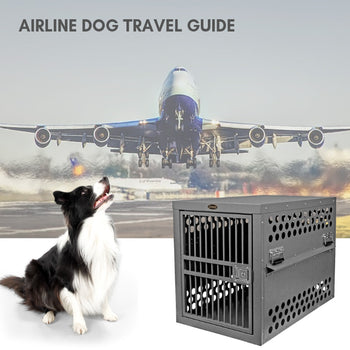
The couch cushion is in pieces, your dog is pacing at 9 p.m., and the walk you took this morning clearly was not enough. Or the signs are quieter: a few extra pounds, a dog who used to bound up the stairs and now sighs and flops on the rug. Both can point to the same problem. The signs your dog needs more exercise are often easy to see once you know what to look for, but they are just as easy to misread.
This guide covers eight of the most common signs, how to tell a lack of exercise from a health or training problem, how much exercise dogs typically need at different ages, and a gradual plan for adding more without hurting your dog. We have supplied dog owners, trainers, and working dog handlers with professional-grade equipment since 2019, and the dogs that thrive are the ones whose owners match activity to the dog in front of them.

There is no single number. The American Kennel Club notes that a dog's activity needs depend on breed, age, and health, and a Kansas State University veterinarian has pointed out that blanket recommendations cannot be given because individual dogs, weather, and health vary so widely. A young working Labrador and a senior Pug can share a house and need completely different days.
Still, starting points help. Puppies do best with short, frequent sessions, and a common rule of thumb from the Kennel Club is about five minutes of exercise per month of age, up to twice a day, until the puppy is fully grown. Many adult dogs do well somewhere between 30 minutes and two hours of daily activity, depending on breed and energy. High-drive sporting, herding, and working breeds often need an hour or more of vigorous exercise plus mental work, while many companion breeds are content with a couple of moderate walks.
|
Dog type |
Common starting point |
What to keep in mind |
|---|---|---|
|
Puppy |
Short, frequent sessions; about 5 minutes per month of age, up to twice a day |
Avoid hard running and jumping on growing joints, especially in large and giant breeds |
|
Companion and short-nosed breeds |
Two moderate walks plus play |
Short-nosed breeds overheat easily, so skip hard exercise in warm weather |
|
Moderate-energy adult |
About 60 minutes, split into outings |
Add variety so the brain gets a workout too |
|
High-drive sporting, herding, or working dog |
60 to 120 minutes or more, with mental work |
Structured outlets such as scent work, agility, or retrieving work well |
|
Senior dog |
Shorter, more frequent, low-impact outings |
Check with your vet, since joints and heat tolerance change with age |
Treat these as starting points rather than rules. Your dog's behavior and body condition are the real test, and that is where the signs below come in.
The signs fall into three groups: behavior, body, and mood. One sign on its own rarely settles the question. When several show up together, and they improve on days when your dog gets more activity, exercise is the likely missing piece.

Shredded cushions, chewed shoes, and a yard that looks like a construction site are classic signs. Chewing and digging are normal dog behaviors, but when they target household items again and again, your dog often has energy or curiosity with nowhere to go. A veterinary nurse and animal behavior consultant interviewed by Kinship points out that going outside is not only about burning energy. It is about exploring and collecting information through the nose, and when dogs cannot do that, frustration builds and often shows up as destruction.
A dog who paces, cannot settle, or launches into laps around the living room the moment you sit down is releasing energy that was never spent. This tends to peak in the evening, when the household finally slows down. If bedtime feels like the start of your dog's second shift, moving a longer or more active outing earlier in the day can help your dog wind down later.
Nudging your hand, dropping toys in your lap, stealing socks, scratching at the door, and following you from room to room are all ways a dog asks for something to do. Excess barking and whining fit the same pattern. A useful test is to track the noise for a week. If it drops on days with more activity and rises on sedentary days, exercise is likely part of the cause.
A dog who drags you down the sidewalk, jumps on every guest, or cannot concentrate in training may simply be too wound up to learn. A dog with a full tank of energy has little attention left for you, so adequate exercise often helps dogs stay calmer and more focused. A walk or a game before a training session is one of the easiest fixes to try.
Gradual weight gain is the most common physical sign. The Association for Pet Obesity Prevention reported that in 2022, veterinary professionals classified 59 percent of the dogs they evaluated in the United States as overweight or obese, and many owners of overweight pets described their pet's condition as normal or ideal. Because you see your dog every day, changes creep up unnoticed. Ask your veterinarian to score your dog's body condition, and remember that food, age, and medical conditions matter as much as exercise.
If a short game of fetch leaves your dog panting and done, or your dog's hind legs look thinner than they used to, conditioning may be slipping. A New York City veterinarian quoted by Kinship says the most common physical sign of too little exercise is weight gain, along with subtler changes in muscle mass and endurance. Sudden stiffness or reluctance to jump is different. That calls for a veterinary check, not a longer walk.
Not every under-exercised dog is hyper. Some go the other way. When low activity continues for a long time, it becomes the dog's normal, stamina fades, and the dog can seem lazy, withdrawn, or uninterested in play. It is easy to mistake this for a calm temperament. A sudden drop in energy deserves a veterinary check first, since pain and conditions such as thyroid disease can look the same.
Some under-exercised dogs snack out of boredom. Others eat less but still gain weight because they burn fewer calories. Either way, an appetite change that shows up alongside other signs on this list can point to a dog who needs more activity, not just a different feeding plan. A sudden loss of appetite on its own is a reason to call your vet.

Almost every sign above has a non-exercise explanation, and treating the wrong problem wastes time and can do harm. Pain from arthritis or injury can cause restlessness, irritability, and reduced activity. Thyroid and other hormonal conditions can cause weight gain and sluggishness. Anxiety, including separation anxiety, can cause destruction, barking, and pacing even in a dog who has been well exercised. Cognitive changes in older dogs can disrupt sleep and cause restlessness at night.
Three questions help sort it out. Did the behavior start suddenly, or has it been building? Does it improve on days with more activity? And does it happen mostly when you leave? Sudden changes, signs of pain, or problems that stay the same no matter how much your dog exercises are reasons to call your veterinarian, or a qualified trainer or behaviorist, before you change the routine.
Once you have ruled out health problems and decided more activity is the answer, resist the urge to go all in on day one. Conditioning takes time, and the fastest way to set your dog back is to do too much too soon.
Dr. Amy Fox, a New York City veterinarian, cautions that a dog who has been mostly sedentary cannot return to an active lifestyle overnight. Suddenly taking that dog running risks overheating and orthopedic injuries such as ligament tears, because the dog's body is not conditioned for it. Her suggested start is controlled leash walks, lengthened by 5 to 10 minutes at a time, at a pace where your dog is not panting heavily or stopping often. The same caution applies to newly adopted dogs, since you may not know what activity level they are used to.

Here is an example for an adult dog who currently gets one short walk a day. Adjust it for your dog's breed, age, and health, and check with your veterinarian first if your dog has any medical condition.
Week 1: Add a second 10-minute leash walk each day, and let your dog sniff freely for part of each one.
Week 2: Lengthen each walk by 5 to 10 minutes, and add a short game of tug or fetch on flat, soft ground.
Week 3: Add one longer weekend outing, such as a park, trail, or beach, keeping the pace and distance within what your dog handled the week before.
Week 4: Review how things are going. Is your dog settling better in the evening, and is the behavior improving? If so, hold steady. If not, increase gradually or talk to your veterinarian or a trainer.
Physical exercise is only half the picture. Mental work tires a dog in its own way and fills the gap on days when you cannot do more. Let your dog sniff on walks instead of marching at your pace, scatter food for your dog to find, use puzzle feeders, and practice a few minutes of training at home. Our guide to dog treadmill vs outdoor exercise explains why sniffing and exploring matter so much, and why outdoor time should stay the foundation of any exercise plan. Dogs bred to work often enjoy structured activities too, and the American Kennel Club lists scent work, agility, obedience, flyball, rally, and lure coursing among the options.
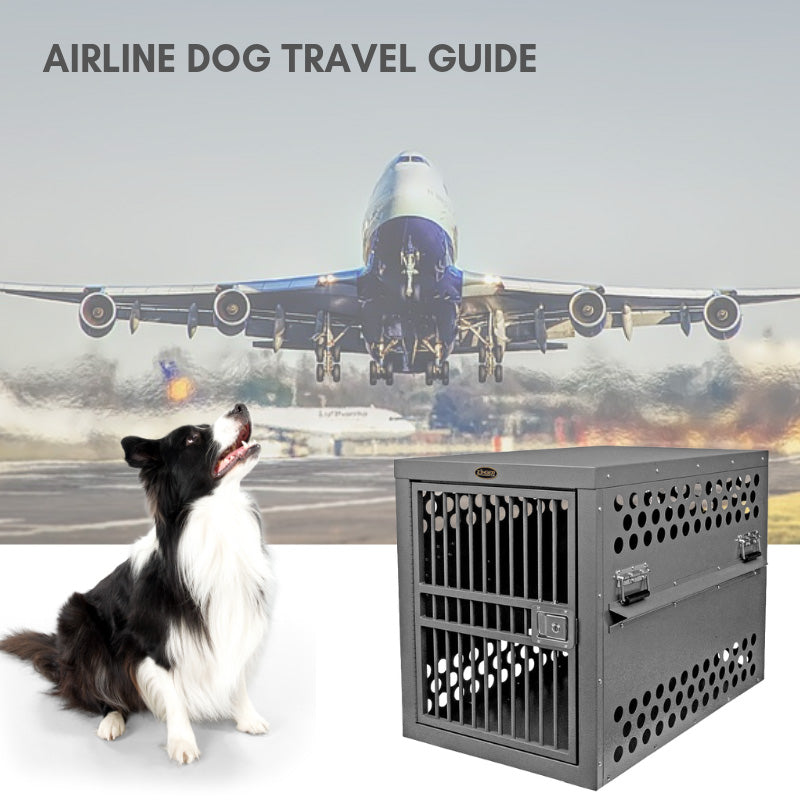
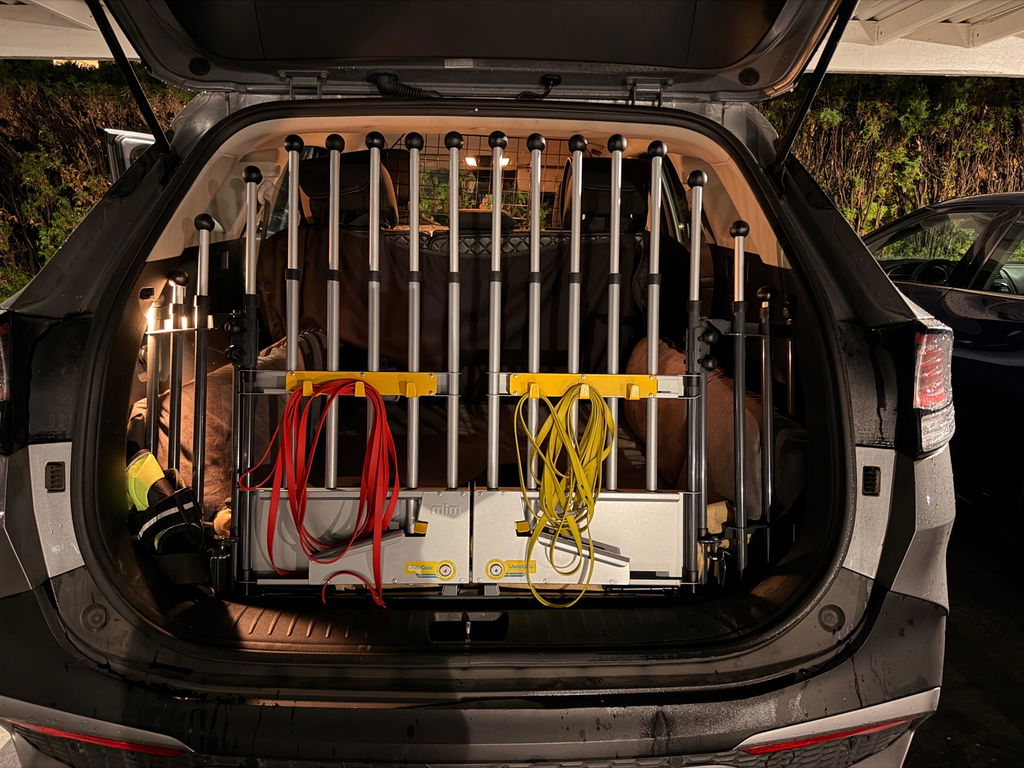
Variety keeps exercise interesting and works different muscles. Fetch, tug, hiking, swimming, and dog sports all count, and running or cycling with your dog is fine once your dog is conditioned for it. High-drive dogs often do best with a job, such as retrieving or scent games. If your favorite trails or beaches are a drive away, protect your dog on the way there with a secured, crash-tested travel crate.

Free running is some of the best exercise a high-energy dog can get, but only if your dog comes back when called. Recall comes from training: lots of short, rewarded practice on a long line in low-distraction places before you ever open the leash. Some owners add a remote training collar as one more tool, introduced gradually and ideally with a trainer's guidance.
The E-Collar ET-300 Mini Educator is one example. It is a one-dog system with a half-mile range, tone and vibration options, and 100 levels of stimulation, and both the transmitter and the collar receiver are waterproof. It is assembled in the USA, carries a two-year manufacturer warranty, and starts at about $200. It is a training aid, not a substitute for exercise or for the groundwork behind a solid recall. Our guide on how to use an e-collar for dog training walks through the right way to introduce one.
Heat, ice, a sore knee on your end, a packed schedule: sometimes the walk does not happen. Indoor games, scent work, and short training sessions can cover a few days. Some owners add a treadmill for exactly these gaps, and our look at whether a dog treadmill is worth it covers the benefits and the limits. Treat any indoor option as a supplement. A fenced yard or a backyard dog run gives your dog safe space, but most dogs will not exercise themselves there, so plan to join in.
A well-exercised dog also needs to learn how to settle. Give your dog a calm place to wind down after activity, such as a quiet corner or a crate, and reward your dog for relaxing there. Used well, a crate is a rest space, not a punishment and not a substitute for exercise or company. Our guide on how to choose the right home dog crate for your breed covers sizing and materials, and our crates for home collection has options for most households.
More is not always better. Too much exercise, or too fast an increase, can cause sore muscles, joint injuries, paw pad damage, and heat illness. Watch for excessive or shallow panting, lagging behind when your dog normally leads, stiffness after rest, reluctance to climb stairs or jump, and worn or sore paw pads.
Heat deserves special respect. Very young and very old dogs have a harder time regulating body temperature, and short-nosed breeds struggle in warm weather. Exercise during the cooler parts of the day and bring water. Drooling, lethargy, disorientation, and bright red gums are signs of heat exhaustion that can become a medical emergency. Move your dog to shade, offer water, cool your dog with wet towels, and call your veterinarian right away. Young puppies, especially large and giant breeds, should also avoid too much high-impact running while their joints develop.
A well-exercised dog typically settles after activity, keeps a healthy body condition, and does not rely on destruction, constant barking, or attention-seeking to burn off energy. If your dog is restless, gaining weight, or acting out, and the behavior improves on more active days, your dog likely needs more. If you are unsure, ask your veterinarian to assess your dog's body condition and discuss activity.
It depends on breed, age, and health. Many adult dogs do well with 30 minutes to two hours, while high-drive breeds often need an hour or more of vigorous activity plus mental work. Puppies need short, frequent sessions, about five minutes per month of age up to twice a day, and senior dogs usually do best with shorter, low-impact outings.
For some small or older dogs it may be a start, but for most healthy adult dogs a quick lap around the block covers bathroom needs rather than real exercise. Longer walks with time to sniff, plus play, give far more physical and mental benefit.
It counts toward your dog's overall needs, but it does not replace physical activity. Sniffing, puzzle feeders, and training tire a dog in different ways than running does. Most dogs need both.
A few things can be going on. The walk may have been too slow or too uneventful to tire your dog, your dog may need more mental work, your dog may be overtired and unable to settle, or anxiety or a medical issue may be involved. Try a sniff-focused walk, add training or puzzle feeders, build in rest, and talk to your veterinarian or a trainer if it continues.
Yes. Too much exercise, or a sudden jump in activity, can cause sore muscles, joint injuries, paw damage, and heat illness. Increase activity gradually, watch for panting, stiffness, and lagging, and avoid hard exercise in hot weather.
Combine several outlets: brisk walks with sniffing time, fetch or tug, hiking, swimming, and structured activities such as scent work or agility. Off-leash time is valuable when your dog has reliable recall. Finish with mental work and a calm place to rest.
If you recognized your dog in the signs your dog needs more exercise, the fix is usually simpler than it feels. Rule out health problems, add activity gradually, mix movement with mental work, and give your dog time to rest. Within a few weeks you should see the difference in how your dog settles in the evening.
If you would like a second opinion on gear for training, travel, or home life, our US-based team is happy to talk through your dog's size, energy, and routine. Call 888-979-5566, start a live chat on the site, or send a message through our contact page. You can browse our E-Collar Technologies training collars when you are ready to compare options, and keep in mind that we match any lower price you find online. Our customers have rated us 4.9 stars across more than 600 verified reviews, and we would be glad to help you build a routine that works for your dog.