May 01, 2019
0

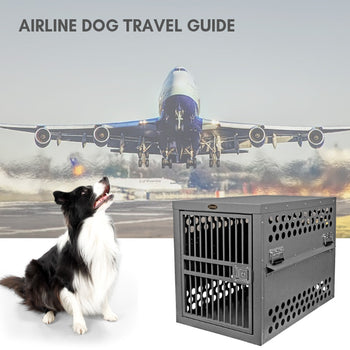
Shopping for a dog box turns into an overwhelming amount of options fast. Aluminum or plastic, single or triple compartment, storage drawer or no storage, standard vents or all-season vents. Every listing sounds like it solves the problem, and most of them leave out the one detail that actually determines whether a box works for a specific truck and a specific dog.
This guide skips the product rankings and walks through the actual decision process instead, in the order it should happen. If you already know you want to see specific options side by side, our roundup of the best dog boxes for truck beds covers the top picks for 2026. This article is for the step before that, figuring out exactly what to look for so the roundup, or any other listing, actually makes sense.

This is the step almost everyone skips, and it is the reason so many dog boxes get returned. A box that looks right in a product photo can be two inches too long for a short bed truck or sit awkwardly over the wheel wells if nobody checked first.
To measure length, start at the inside edge of the bulkhead, the wall separating the bed from the cab, and run a tape measure back to the inside of the tailgate. For width, measure across the bed at the point where the tailgate meets the side walls, from one interior edge to the other. For height, measure from the bed floor up to the top of the bed rail.
Truck beds generally fall into three rough categories: short beds run around 61 to 70 inches, standard beds run about 72 to 79 inches, and long beds stretch to 98 inches or more. A Ford F-150 alone spans all three depending on cab and bed configuration, so never assume based on the truck model without measuring the actual bed. If the box will sit between the wheel wells rather than over them, measure that narrower width too, since several dog box models are built with notches specifically to clear wheel wells in short bed trucks.
Write down all three measurements before comparing products. Every dog box listing includes external dimensions, and matching those numbers against your actual bed, not an estimate, is what prevents an expensive return.

Once the truck bed dimensions are locked in, turn to the dogs. Sizing a compartment is about more than picking small, medium, or large off a dropdown menu. The standard rule is that a dog should be able to stand fully upright without ducking its head, turn around completely, and lie down stretched out without its body touching the walls on either side.
For a single dog, measure the dog from the floor to the top of its head while sitting, which gives you the minimum interior height, and from nose to base of tail while lying flat, which gives you the minimum interior length. Add a few inches of buffer on both, especially for a dog that will spend several hours in the box on longer trips.
For guidance on matching crate dimensions to breed-specific sizing beyond just weight, our guide to choosing the right dog crate for your breed breaks down sizing by common breed categories. For multiple dogs, decide whether they need separate compartments or can share one. Dogs from the same household who get along and are similar in size can sometimes share a larger single compartment, but most handlers running two or more dogs choose a double or triple box with a center divider instead. Separate compartments prevent one dog from crowding another, reduce the chance of a scuffle over space, and let air circulate around each dog individually rather than trapping heat in a shared space.

The two materials dominating the truck bed dog box market are diamond-tread aluminum and welded high-density polyethylene, or HDPE. Neither one is universally better, and the right call depends on where and how the box will actually be used.
Aluminum resists dents and punctures well, holds its shape under heavy loads like a tailgate full of gear shifting against it, and tends to be the default choice for hunters and working dog handlers covering rough terrain. It does absorb more heat in direct sun than a lighter-colored surface, which matters in consistently hot climates.
HDPE plastic, the same category of material used in commercial cutting boards, reflects heat rather than absorbing it and stays noticeably cooler to the touch during long days parked in the sun. Because panels are welded rather than bolted or riveted, there are no seams for water or odor to collect in, which simplifies cleaning after a muddy day in the field. It generally costs less than a comparable aluminum box and runs quieter, without the metallic rattle aluminum can develop over years of vibration.
If the box will see rocky trails, cold winters, or years of heavy off-road abuse, aluminum is usually the safer bet. If it will spend most of its life in hot climates or needs to be hosed out frequently, plastic often wins. Budget also plays a role, since HDPE kits typically run less per compartment than a comparable aluminum setup with premium hardware.
Every dog box on the market advertises ventilation, but the number of vent holes matters less than how the ventilation system actually works. Look specifically for sliding vent covers rather than fixed openings. A sliding cover lets you open the vents fully in summer heat and close them down in winter or during highway driving in rain, which a fixed vent cannot do.
Placement matters as much as adjustability. Boxes with vents on multiple sides, rather than a single vent panel, avoid creating a stagnant pocket of hot air on one side of the compartment. For double and triple boxes, check whether the center divider includes its own air holes, since a divider without ventilation can trap heat between compartments even if the outer walls vent well.
Consider the climate the dog will actually be traveling through, not just the climate at home. A box purchased for occasional summer trips needs different ventilation priorities than one that will ride along on winter hunts, and several manufacturers offer standard versus all-season vent configurations specifically to address that difference.
A dog box is only as secure as its weakest latch. Two designs dominate the market: a lockable slam latch, which closes with a firm push and locks automatically, and a multi-function twist, fold, and lock mechanism that requires a deliberate motion to open. Both can be secure when built from quality hardware, but cheap versions of either can rattle loose over hundreds of miles of washboard road or, worse, be triggered accidentally from inside by a dog pawing at the door.
Look for hardware described as rattle-free or vibration-resistant, and check whether the latch mechanism is protected from the weather. A latch that ices over in winter or corrodes from repeated rain exposure will eventually fail even if it worked perfectly on day one. Spring-loaded handles built into the box frame, separate from the latch itself, are worth checking for too, since they double as a mounting point for tie-down straps in the next step.

An unsecured dog box is nearly as dangerous as no box at all, since a box that shifts or slides during a hard stop can injure the dog inside just as easily as an open bed would. Most boxes include built-in D-rings or spring-loaded handles specifically for this purpose. Run heavy-duty ratchet straps from those points to solid anchor points in the truck bed, ideally factory tie-down loops rather than improvised hooks, and check them before every trip since vibration loosens straps gradually over time. Avoid bungee cords entirely. They stretch under load and do not have the holding strength a moving vehicle requires.
For a more permanent setup, many handlers bolt the box directly through the bed floor using mounting flanges built into the base, which is worth the extra effort for anyone hauling dogs on a regular basis rather than occasionally. A non-slip mat underneath the box adds another layer of protection against sliding, particularly on a bed liner with a slicker surface.
It is also worth knowing that several states have specific legal requirements for transporting animals in an open truck bed. California, for example, requires that the space be enclosed, fitted with side and tail racks at least 46 inches high, equipped with a means of preventing the animal from being discharged, or that the animal be cross tethered or protected by a secured container or cage. Requirements vary significantly by state, so checking with a local department of transportation or animal control office before a long trip is worth the five minutes it takes.
Many dog boxes offer an optional top or bottom storage compartment, and it is worth thinking through honestly whether that extra space earns its cost. Top storage with gas struts adds cargo room without eating into compartment space, which works well for hunters who need to carry gear separately from the dog. Bottom storage drawers, often lockable, keep gear low and out of sight, which can improve handling by keeping the load's center of gravity lower.
The tradeoff is added weight and, in some cases, added cost that might be better spent on a larger compartment or better ventilation if storage was never the priority in the first place. Before adding a storage option, take stock of what actually needs to travel in the truck bed regularly. If the answer is "not much," a simpler box without storage may be the better value.
Dog boxes for truck beds span a wide price range, generally from around $800 for a basic single-compartment aluminum or plastic box up to roughly $2,700 for a premium multi-dog aluminum box with storage and upgraded hardware. For a broader look at whether the higher end of that range is worth paying for, our breakdown of whether professional-grade kennels are worth the cost applies the same value logic to kennels more broadly. Rather than shopping by price alone, use the steps above to build a list of the features that actually matter for your truck and your dogs, then browse the full dog boxes for trucks collection and compare prices within that narrowed set of options. A box that is fifty dollars cheaper but lacks proper ventilation or secure mounting points is not actually the better deal once you account for a dog's comfort and safety on a multi-hour drive.

A few mistakes show up repeatedly among owners who end up returning or replacing a dog box within the first year. The most common is skipping the measuring step and relying on the truck's advertised bed length instead of the actual interior dimensions, which vary by cab configuration even on the same model year. The second is undersizing the compartment to save a little on price, which forces a dog into a cramped space for hours at a time and increases stress and heat buildup during long drives.
Another frequent mistake is treating ventilation as a fixed feature rather than an adjustable one. A box with only fixed vents works fine in mild weather but becomes a liability in either direction, trapping heat in summer or letting in wind and rain in winter, when sliding covers would have solved both problems. Finally, plenty of owners invest in a well-built box and then secure it with whatever straps happened to be in the garage. Bungee cords and lightweight straps are the most common point of failure in an otherwise well-chosen setup, and the fix costs far less than the box itself.
Do I need a different dog box for a short bed truck versus a long bed truck?
Not necessarily a different box, but you do need to measure first. Several manufacturers build models with wheel well notches specifically for short bed compatibility, and a box sized for a long bed may simply not fit a short bed at all. Always compare your actual measured dimensions against the box's external dimensions before ordering.
Is it legal to haul a dog loose in a truck bed?
It depends on the state. Some states, including California, require the animal to be in an enclosed space, behind side and tail racks of a minimum height, cross tethered, or in a secured container. Because requirements vary, check with your local department of transportation or animal control office, particularly before a long interstate trip.
Should I choose a single compartment or divided box for two dogs?
In most cases, a divided double compartment box is the better choice, even for dogs that get along well. Separate compartments prevent one dog from crowding another, reduce fighting over space, and allow air to circulate around each dog rather than concentrating heat in a shared area.
How much ventilation is enough for a summer road trip?
Look for sliding vent covers on multiple sides of the box rather than a fixed single vent panel, and check that any center divider between compartments includes its own airflow. Adjustable ventilation matters more than raw vent count, since it lets you manage airflow differently in summer heat versus highway wind and rain.
What's the difference between a slam latch and a twist-lock latch?
A slam latch closes automatically with a firm push and typically includes a separate locking mechanism, while a twist, fold, and lock latch requires a deliberate multi-step motion to open. Both can be secure when built from quality hardware, but the deciding factor is build quality and weather resistance rather than which style you choose.
Do I need to bolt the dog box down, or are straps enough?
Heavy-duty ratchet straps anchored to solid tie-down points are sufficient for most owners, as long as they are inspected before every trip. For anyone hauling dogs several times a week, bolting the box through the bed floor using its mounting flanges offers a more permanent, vibration-resistant connection.
Working through these eight steps before browsing products turns an overwhelming category into a short, specific list of requirements: a set of dimensions, a material preference, a ventilation style, and a budget range. From there, our full roundup of the best dog boxes for truck beds walks through specific aluminum and plastic models that match those requirements, and our Dakota 283 dog crate review covers one of the most widely used hard-sided options on the market today.
Still unsure which configuration fits your truck and your dogs? Call AdeoPets at 888-979-5566 or use the live chat on the site, and a member of the support team can help you match the right box to your setup before you order.