May 01, 2019
0

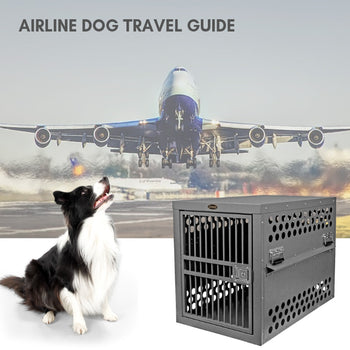
Plenty of people assume that a dog needs a big backyard to be happy. In reality, a yard is mostly a place where dogs stand around waiting for something to happen. What dogs actually need is a reliable daily outlet for their bodies, their brains, and their noses, and that can be delivered just as well from a fourth-floor apartment as from a house in the suburbs. Apartment dog exercise simply takes more planning, because nothing happens by accident when your dog's world is a few hundred square feet and an elevator.
This guide covers how much exercise an apartment dog really needs, outdoor strategies when you have no yard, indoor exercise ideas that work in small spaces without disturbing the neighbors below, and a sample weekly plan you can adapt. It also covers the apartment-specific details most exercise guides skip, from slippery floors to building stairwells.

Exercise needs depend on breed, age, and health far more than on where a dog lives. As a general starting point, lower-energy breeds such as Basset Hounds, Shih Tzus, and many Bulldogs often do well with 30 to 60 minutes of activity a day. Moderate-energy dogs, including most Labradors, Golden Retrievers, and mixed breeds, usually need at least an hour. High-drive working and herding breeds such as Border Collies, Belgian Malinois, Australian Shepherds, and Huskies can need two hours or more, along with real mental work. Your veterinarian can help you set a target for your individual dog, especially for puppies, seniors, and dogs with joint or heart conditions.
The more useful insight is that exercise is not one thing. A complete daily routine for an apartment dog has three parts. Physical exercise burns energy and keeps muscles, joints, and weight healthy. Mental exercise, such as training and problem solving, tires the brain in a way a walk does not. And sniffing and exploration satisfy a core canine need that apartment life tends to starve. A dog that gets all three in moderate amounts is usually calmer than a dog that gets a long, fast walk and nothing else.
Puppies need frequent, short bursts of activity rather than long sessions. Several brief play and training sessions spread through the day, plus calm sniffing outings, suit a growing dog better than one long walk. Avoid forced running, repetitive jumping, and long stretches on hard pavement while the growth plates are still developing, and ask your veterinarian when your breed is mature enough for more strenuous exercise. Apartment puppies also need many more bathroom trips than adults, so plan your building route and timing around that.
Senior dogs still need daily exercise, but the emphasis shifts to gentle, consistent movement that keeps joints mobile and muscles strong. Two or three shorter walks usually beat one long one. Nosework and training are especially valuable for older dogs because they keep the mind sharp without straining the body. Watch for stiffness after activity, and talk with your veterinarian if your dog starts avoiding walks or stairs.
Flat-faced breeds such as Bulldogs, French Bulldogs, Pugs, and Boston Terriers have shortened airways that make it harder for them to cool down by panting. They tolerate heat and hard exertion poorly, so keep sessions short, avoid exercise in warm or humid weather, and lean on indoor enrichment during summer. Stop immediately if your dog is panting heavily, struggling to breathe, or lagging behind.
In a house with a yard, dogs get small doses of activity throughout the day without anyone planning it. In an apartment, every outing is a deliberate event that involves a leash, a hallway, and maybe an elevator. That means the dogs that struggle in apartments are usually the ones whose routine depends on the owner having spare time, which rarely happens on busy days.
The fix is to build exercise into fixed points in your day, the same way you schedule meals. A reliable pattern might be a longer sniff walk in the morning, a midday break from you, a dog walker, or daycare, and an evening session that combines a walk with training or play. Consistency matters more than intensity. A dog that knows when its next outlet is coming settles more easily in between.
The single most underrated form of exercise for apartment dogs is the sniff walk, a slower walk where your dog is allowed to stop, investigate, and choose the route within reason. It feels unproductive to many owners, but the science says otherwise. In a 2019 study published in Applied Animal Behaviour Science, researchers Charlotte Duranton and Alexandra Horowitz found that pet dogs who practiced nosework for two weeks showed a significantly more optimistic outlook on a standard cognitive bias test, while dogs who practiced heelwork for the same period showed no change. The researchers concluded that giving dogs more time to use their sense of smell improves their welfare.
Practically, that means a 30 minute walk where your dog sniffs freely can leave it calmer than a 30 minute march at your pace. Many owners use a two-part walk: a brisk stretch for physical exercise, followed by a slower, sniff-focused stretch. A longer leash or a comfortable harness makes sniff walks easier for both of you.
Walking the same block twice a day gets stale for dogs just as it does for people. Rotate between several routes, and look for terrain that adds work without adding distance: hills, grassy medians, park paths, and safe outdoor steps. New routes deliver new smells, which turns a routine walk into mental exercise as well.
A 15 to 30 foot long line lets your dog run, circle, and explore in a park or open field while you stay connected. It is a good middle ground for dogs that are not reliable off leash, and for areas where leash laws prohibit dogs from running loose. Use it with a harness rather than a collar, and practice handling the line before you need it, since a long line can tangle or burn hands if a dog bolts.
Off-leash running is the most efficient exercise there is for high-energy dogs, but it is only safe with a dependable recall, and only where off-leash time is legal. Fenced dog parks and designated off-leash areas are the obvious options, though busy dog parks are not right for every dog, particularly dogs that are reactive, fearful, or overly rough in play. Visit at quiet times first and watch before you go in.
Many owners of sporting and working breeds strengthen recall with a low-level remote training collar as part of reward-based training, which gives them a way to communicate with the dog at a distance. If you go that route, choose a quality system such as the E-Collar Technologies ET-300 Mini Educator, and learn proper conditioning first. Our guide on how to use an e-collar for dog training walks through the process.
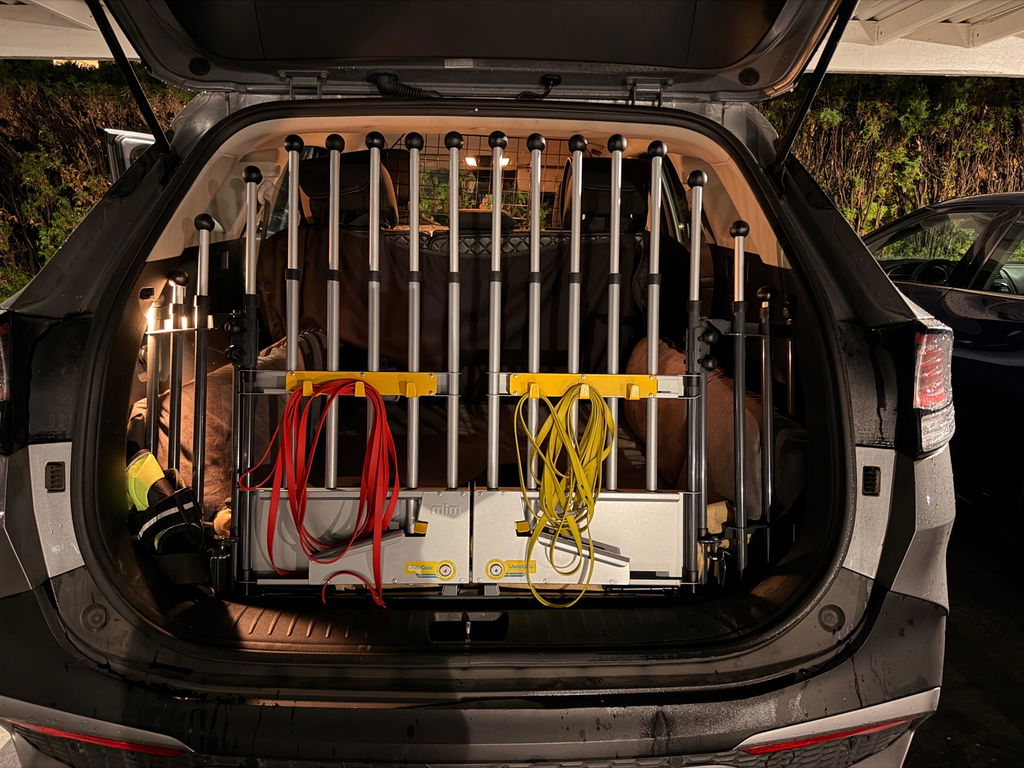
One long outing a week to a trail, beach, or open space can do wonders for an apartment dog. If you are driving there, secure your dog properly in the car. A crash-tested crate such as the MIM Safe Variocage protects your dog in a collision and keeps a muddy dog contained on the drive home.
If your workday keeps you out for eight or more hours, a midday dog walker or a few days of daycare each week can be the difference between a dog that settles and a dog that redecorates the apartment. Daycare suits social, dog-friendly dogs. Dogs that prefer people to other dogs often do better with a solo walker.
Bad weather, late nights, and busy days happen. These indoor activities give your dog a real outlet without much square footage, and most of them are quiet enough for apartment living.
If sniffing outdoors is good for dogs, structured sniffing indoors is one of the best apartment activities you can offer. Start by scattering part of your dog's meal across a rug or towel and letting your dog find every piece. Progress to a find-it game: have your dog wait while you hide treats around the room, then release it to search. Once your dog understands the game, hide treats inside cardboard boxes, under cups, or in a different room. Ten to fifteen minutes of searching is surprisingly tiring, and it makes no noise for the neighbors.

Training is mental exercise, and short sessions add up. Practice basic cues in new positions, teach a new trick each week, or work on impulse control games such as waiting at doorways and leaving a treat on the floor until released. Keep each session to 5 to 10 minutes and end while your dog is still enthusiastic. Two or three short sessions a day can noticeably take the edge off a restless dog.
A food bowl delivers a full meal in about thirty seconds. Puzzle feeders, snuffle mats, and stuffed chew toys turn that same meal into fifteen or twenty minutes of problem solving and licking, which many dogs find calming. Rotate several puzzles so they stay interesting, and freeze stuffed toys to make them last longer.
A long hallway is enough room for low, rolling fetch with a soft toy, and tug is a strong physical workout in a few square feet. Tug has a reputation for causing aggression, but structured tug with clear rules, including a reliable drop cue and ending the game if teeth touch skin, is a well-established training tool. Play on a rug, not a bare floor, and save the most energetic games for daytime hours when they will not disturb the neighbors below.

Couch cushions to step over, a broomstick laid across two books, a tunnel made from a blanket over chairs, and a sturdy box to climb into make a simple indoor agility course. Keep every obstacle low, since jumping onto hard floors is hard on joints and loud for the apartment below. The goal is coordination and confidence, not height.
Building stairwells are a popular apartment workout, and walking stairs at a controlled pace can strengthen an adult dog's hind end. But stairs are not right for every dog. A Norwegian study of more than 500 puppies from four large breeds, published in the American Journal of Veterinary Research in 2012, found that puppies walking on stairs from birth to three months of age had an increased risk of developing hip dysplasia. Keep young puppies off stairs, keep large-breed adolescents to a gentle pace, avoid running stairs with seniors or dogs with joint problems, and walk rather than run, especially going down. Check that your building allows dogs in the stairwell before you start.
A dog treadmill can be a genuine asset for high-energy apartment dogs, especially in extreme heat, cold, or long dark winters. The key is to treat it as a supplement to outdoor walks rather than a replacement, since a treadmill offers no sniffing or new environments. Introduce it slowly with treats, start at a walking pace, always supervise, and never tie a dog to a moving treadmill. Before buying, measure the footprint and confirm how much noise it will transmit to the unit below. Our articles on whether dog treadmills are worth it and dog treadmill vs outdoor exercise cover the pros, cons, and safety guidelines in more detail.
Exercising a dog in an apartment comes with a few challenges that house owners rarely think about. Planning for them keeps your dog safe and keeps you on good terms with your building.
Floors are the first issue. Hardwood, laminate, and tile are slippery, and dogs that scramble for traction during play can strain muscles and ligaments. Put down rugs or runners where your dog plays and turns, keep the hair between the paw pads trimmed, and keep nails short so your dog's toes can grip. If you are not sure how often that should happen, our guide on how often you should groom your dog covers nail and paw care schedules by breed.
Noise is the second. Zoomies at 10 p.m. above someone's bedroom will not win you friends. Schedule active play earlier in the day, use rugs to soften impact, and choose quiet activities such as nosework and puzzle feeding in the evening.
Weather and pavement are the third. City sidewalks and asphalt absorb heat and can burn paw pads on summer afternoons. A common rule of thumb is to press the back of your hand to the pavement for seven seconds. If it is too hot for your hand, it is too hot for your dog's paws. Walk early and late in summer, and in winter rinse paws after walking on salted sidewalks.
Finally, balconies. A balcony can be a pleasant place for your dog to sit in the sun with you, but it is not an exercise area, and a dog should never be left unsupervised on one. Check railings for gaps a dog could slip through and keep furniture away from the edge.
Here is one way a moderate-energy dog's week might look for an owner who works standard hours. Adjust the duration for your dog's energy level, age, and health.

|
Day |
Morning |
Midday |
Evening |
|---|---|---|---|
|
Monday |
30 min sniff walk |
Dog walker, 20 min |
15 min walk plus 10 min training |
|
Tuesday |
30 min brisk and sniff walk |
Puzzle feeder lunch |
Long-line session in the park |
|
Wednesday |
30 min sniff walk |
Dog walker, 20 min |
Indoor nosework and tug |
|
Thursday |
30 min new route |
Daycare or walker |
15 min walk plus trick training |
|
Friday |
30 min sniff walk |
Puzzle feeder lunch |
Dog park at a quiet time |
|
Saturday |
Trail hike or beach outing |
Rest and chew toy |
Short walk and puzzle dinner |
|
Sunday |
Long sniff walk |
Indoor obstacle course |
Relaxed walk and early night |
A well-exercised apartment dog is generally easy to live with. It settles and naps between activities, sleeps through the night, and greets you without frantic energy. Warning signs that your routine falls short include chewing furniture, persistent barking, pacing in the evening, attention-seeking behavior, and weight gain. Our article on the signs your dog needs more exercise explains how to read these behaviors and rule out medical causes. Also watch for the opposite problem: limping, stiffness after activity, or reluctance to go out can mean you are doing too much, or that something hurts.
Yes, if the owner commits to a consistent routine with real physical exercise, mental work, and sniffing every day. High-energy breeds struggle in apartments when their needs go unmet, not because of the square footage itself.
Combine nosework games, short training sessions, puzzle feeders, controlled tug, and a low indoor obstacle course. A dog treadmill can add physical exercise for high-energy dogs, but indoor activity should supplement outdoor walks rather than replace them.
For healthy adult dogs, walking stairs at a controlled pace can build strength. Avoid stairs for puppies under three months, keep large-breed adolescents at a gentle pace, and skip stair workouts for seniors and dogs with joint problems. Walk, do not run, especially on the way down.
They are a different kind of exercise. Sniffing provides mental stimulation and enrichment, and research has linked regular nosework to a more positive emotional state in dogs. Most dogs do best with a mix of brisk walking and slower sniff-focused walking.

Play on rugs, avoid jumping activities, schedule energetic games during the day, and choose quiet enrichment such as nosework and puzzle feeders in the evening. A well-exercised dog is also less likely to bark or pace.
They can be for social, well-mannered dogs with a reliable recall. They are a poor fit for reactive, fearful, or very rough players. Visit at quiet times, watch the group before entering, and leave if play becomes tense.
It depends on age and temperament, but many adult dogs struggle with more than about eight hours without a break, and puppies need far more frequent bathroom trips. A midday walker or daycare is the usual solution for long workdays.
Successful apartment dog exercise is not about square footage. It is about giving your dog a predictable mix of physical activity, mental work, and time to sniff, spread across the day so that no single outing has to do all the work. Get that routine in place and most apartment dogs become calm, content companions.
AdeoPets carries equipment that helps active dogs get out and stay safe, from E-Collar Technologies training systems for off-leash recall to crash-tested travel crates for weekend trail trips and heavy-duty crates for calm downtime at home. Browse our crates for home collection, or talk with our US-based team about the right setup for your dog. Call 888-979-5566, start a live chat on our site, or reach us through our contact page. Every order is backed by our Price Match Guarantee and more than 600 verified customer reviews.