May 01, 2019
0

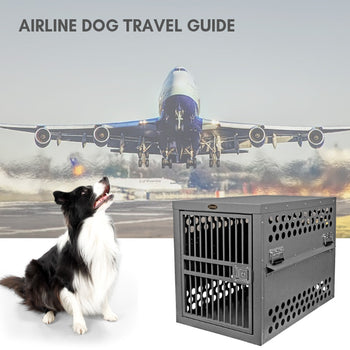
Traveling with your dog should feel like an adventure—not a risk. But one of the most overlooked parts of pet ownership is how our dogs actually travel in the car.
Most people assume that letting their dog sit in the back seat or using a standard crate is safe enough. The reality is very different. In a sudden stop or accident, an unrestrained dog can become a serious hazard—both to themselves and to everyone else in the vehicle.
That’s why choosing the best dog crate for car travel isn’t just about comfort or convenience. It’s about safety.
In this guide, we’ll walk through what actually makes a dog crate safe for travel, how different systems compare, and how to choose the right setup for your dog and your vehicle.
If you’ve ever driven with your dog loose in the car, you’re not alone. It’s incredibly common—and it feels harmless. But from a safety standpoint, it introduces several risks that most people never think about.
In the event of a sudden stop, even at relatively low speeds, your dog can be thrown forward with significant force. This not only puts your dog at risk of injury, but it can also endanger passengers. Beyond that, dogs moving freely inside the vehicle can create distractions that increase the likelihood of an accident in the first place.

This is why more dog owners are starting to think differently about travel. Instead of asking, “What’s easiest?” they’re asking:
👉 “What’s actually safest?”
And that’s where proper dog travel systems—especially crash tested dog crates—come into play.
Not all dog crates are created equal, and this is especially true when it comes to car travel. Many crates are designed for use at home or for short-term containment—not for the forces involved in a collision.
A safe dog crate for car travel is designed with a completely different purpose in mind.
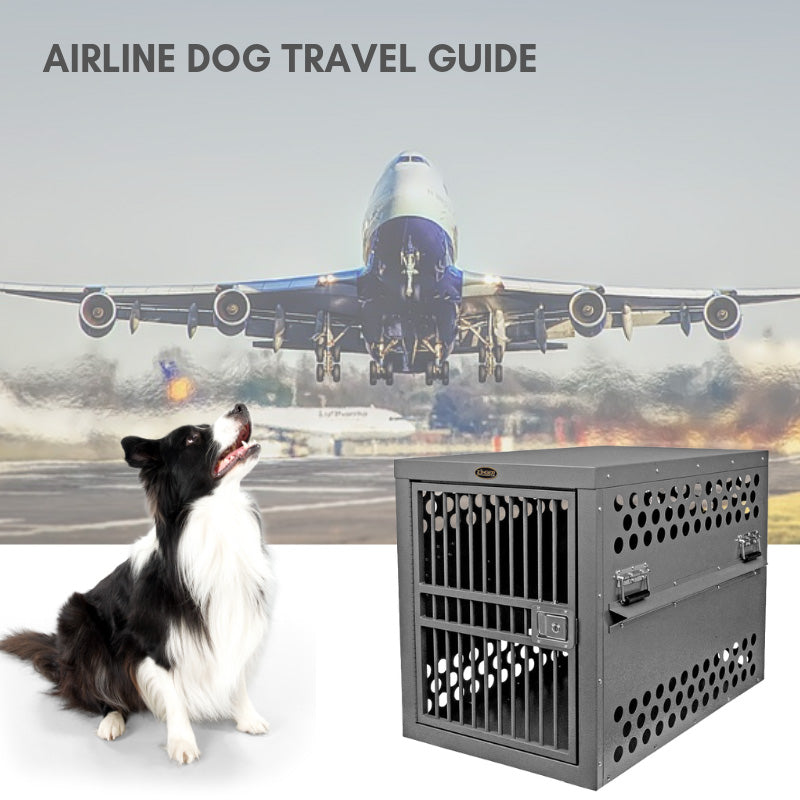
First and most importantly, it should be crash tested. This means the crate has been evaluated under controlled conditions to simulate real-world collisions. These tests help determine whether the crate can maintain its structure and protect its occupant during impact.
Beyond crash testing, the materials and construction matter. High-quality travel crates are typically made from reinforced steel or aluminum and are engineered to maintain their integrity under stress. Some advanced designs even incorporate crumple zones, which help absorb energy during a rear impact—similar to how your car is designed to protect you.
Another key factor is how the crate interacts with your vehicle. A good dog crate for car use isn’t just placed in the trunk—it’s designed to work with the space, reducing movement and improving stability.
When you put all of this together, the difference becomes clear:
A standard crate contains your dog.
A crash tested dog crate protects your dog.
As you start researching, you’ll quickly realize there’s more than one way to travel with your dog safely. The right solution depends on your priorities, your vehicle, and your dog.
A dog crate offers the highest level of protection. Because it fully encloses your dog, it provides structure and containment during an accident. For drivers who prioritize safety above all else—especially for long trips—this is often the best choice.

A dog car barrier, on the other hand, creates separation between your dog and the passenger area. It helps keep your dog in the cargo space and reduces the risk of distraction or interference while driving. While it doesn’t provide the same level of impact protection as a crate, it’s a significant improvement over no restraint at all.

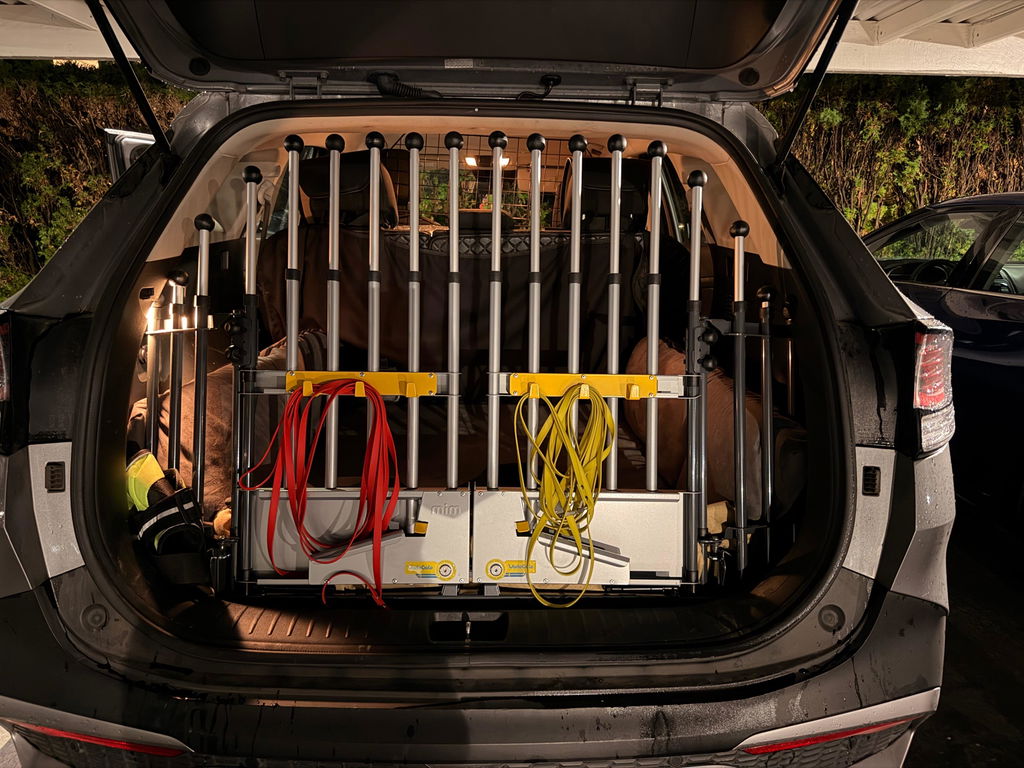
Then there are cargo gate systems, which create a more defined and flexible space within your vehicle. These are particularly useful for multi-dog households or for people who need to balance pet transport with gear and luggage.

Many experienced dog owners actually combine these systems. For example, pairing a barrier with a cargo gate can create a contained, secure space that offers both flexibility and improved safety.
When people search for the “best dog crate for car travel,” they’re often met with long lists of options—many of which are not actually designed for vehicle safety.
The truth is, there are very few crates on the market that are truly engineered for crash protection.
The best options share a few key traits:
If your goal is maximum safety, it’s worth focusing on crates that meet these criteria rather than general-purpose options.
For example, many pet owners upgrading their setup choose a crash tested dog crate for car travel because it provides a level of protection that standard crates simply can’t offer.
If you’re traveling with one dog, a single crate often provides the best balance between safety and available cargo space. For those with multiple dogs, double crate systems offer a structured way to transport both pets without sacrificing protection.
Placement matters more than most people expect.
In most cases, the safest and most practical location for a dog crate is the cargo area of an SUV, wagon, or hatchback. This space allows for better fit, more stability, and reduced risk to passengers in the event of an accident.
Placing a crate on a seat—especially without proper securing—can lead to movement during travel, which reduces its effectiveness and increases risk.
If you’re serious about safety, the goal is to create a setup where the crate feels like a natural extension of the vehicle, not just something placed inside it.
Choosing the right crate doesn’t have to be complicated, but there are a few key things to think through.
Start with your dog. Your dog should be able to stand, turn around, and lie down comfortably inside the crate. At the same time, the crate shouldn’t be excessively large, as too much space can reduce effectiveness during travel.
Next, consider your vehicle. SUVs and wagons tend to offer the most flexibility, while smaller vehicles may limit your options. This is where adjustable or telescopic crates can be especially useful.
Finally, think about how you actually use your vehicle day-to-day. If you’re frequently on the road, investing in a higher-quality, safer solution makes a lot of sense. If your needs are more occasional, you may prioritize flexibility instead.
There’s no one “perfect” solution for everyone—but there is a best solution for your specific situation.
It depends on the crate. Standard crates are not designed for crash protection, while crash tested crates are specifically engineered to perform during an accident.
The safest option is a properly installed crash tested dog crate in the cargo area of your vehicle.
Dog barriers improve safety by preventing movement into the passenger area, but they do not provide the same level of protection as a crate.
You can, but it won’t offer meaningful protection in a crash scenario.
If safety is your top priority, choose a crate. If you need flexibility and space, a barrier or gate system may be a better fit.
At the end of the day, how your dog travels matters more than most people realize.
The right setup doesn’t just protect your dog—it protects everyone in the vehicle. It reduces distractions, improves confidence on the road, and gives you peace of mind every time you head out.
Whether you choose a crash tested dog crate, a barrier system, or a combination of both, making a thoughtful decision here is one of the best things you can do for your dog’s safety.
If you’re ready to upgrade your setup, explore options like:
Creating a safer travel environment doesn’t have to be complicated—but it does require the right equipment.